50+ Eye-Opening Graphic Design Statistics
for 2024, including Jobs, Salaries, Impact,
Industry Growth, Trends, & Technologies

Markzware’s snapshot view of graphic design statistics
that may help graphic designers to know.
Markzware researched several resources to determine which graphic design statistics are reportedly the most relevant. Graphic designers, you can check out the following data, to take a deeper dive into finer points about graphic design jobs, trends, finances, the industry, and even yourselves, as designers. This information may help you to learn some new things about your profession, challenges, and opportunities.
The graphic design statistics we discovered in our research from reputable sources (industry reports, market analysis studies, interviews, design articles, etc.) are enlightening. Although statistics may vary per publication or geographic location, these sources describe emerging trends in graphic design employment data, skills, and technology, providing detailed views on the state of the graphic design industry, today and beyond.
Our findings reveal the importance of graphic design as a powerful, evolving field in today’s advertising, branding, creative, marketing, printing, publishing, and other business workflows. Based on the search results provided, here are some of the latest graphic design statistics, trends, and insights often highlighted and discussed in recent years:

Graphic Designers & Graphic Design Tasks
A graphic designer may have an alternate job title of Artist, Brand Designer, Designer, Graphic Artist, Graphic Design Coordinator, Online Producer, Production Artist, Publications Designer, Technical Illustrator, or the like. These designers typically design and/or create graphics, per business or marketing specs for logos, packaging, or displays, using various artistic mediums and effects. (1)
According to the U.S. Department of Labor’s Bureau of Labor Statistics Occupational Outlook Handbook, Graphic Designers digitally or manually create visual concepts, to share messages that motivate, educate, and catch the eye of customers. (2) To accomplish this, designers may handle a number of tasks.
Graphic design tasks include:
• Designing publication layouts for print.
• Designing promotional, display, product, or art layouts.
• Creating computer-generated graphics or animation.
• Reviewing designs or artwork.
• Collaborating to create or edit designs. (1)
Graphic design tasks may require:
• Calculating layout dimensions, arranging text & images, and choosing font style & point size.
• Entering information into digital devices, to create layouts for a customer or management.
• Creating graphics and layouts for company logos, web sites, and product representation.
• Creating concepts, designs, and layout examples, using aesthetic design and layout principles.
• Reviewing completed layouts and making recommendations. (1)

Graphic design work activities involve:
• Research (gathering data and material from related sources).
• Creative Thinking (artistically creating and designing concepts, products, apps, systems, or relationships).
• Computer Work (using digital devices, hardware, and software) to enter information, process data, program, and/or write code).
• Communication with Supervisors, Peers, or Subordinates (giving information to management, co-workers, or lower-ranking employees, via e-mail, phone, writing, or in person).
• Relationship Building & Maintenance (fostering and maintaining cooperative, constructive business relationships). (1)
Based on responses from graphic designers, an O*NET Online survey discovered that, in the course of their workday, …
• 90% use email.
• 79% are continually or almost continually sitting as they work.
• 70% have time pressure.
• 67% consider working with a work group or team extremely important.
• 53% use a telephone. (1)

Demographics
• 50.2% of graphic designers are female.
• 49.8% of graphic designers are male. (3)(4)
• The average age of a graphic designer is 38. (4)
• About 40% of graphic designers are age 40+. (5)(6)

Education, Training, & Skills
To remain competitive, graphic designers must continue to learn and improve their skills, through formal design education or related training. Many designers become certified UX/UI designers, digital marketers, or motion graphic designers. Thanks to this training and certification, there are ample opportunities for graphic designers to develop their skills and take advantage of job offers. (3)
• 68% of graphic designers have a Bachelor’s degree. (7)
Graphic design skills include proficiency in using:
• Computer-aided CAD apps (Autodesk AutoCAD, Autodesk AutoCAD Civil 3D, Autodesk Revit, Bentley MicroStation, etc.).
• Desktop publishing apps (Adobe InDesign, Microsoft Publisher, QuarkXPress, etc.).
• Graphic editing apps or image editing apps (Adobe Illustrator, Adobe Photoshop, Trimble SketchUp Pro, etc.).
• Video creation apps and video editing apps (Adobe After Effects, Apple Final Cut Pro, WeVideo, YouTube, etc.).
• Web platform development apps (AJAX, Cascading style sheets CSS, Drupal, Oracle JavaServer Pages JSP, etc.).(1)
Graphic design knowledge areas include:
• Design (design principles, techniques, and tools used to produce blueprints, drawings, layout documents, models, and technical plans)
• Computers & Electronics (applications, circuit boards, chips, computer hardware, electronic equipment, processors, programming, and software)
• Fine Arts (theory and techniques to compose, produce, and perform in dance, drama, music, sculpture, and visual arts fields)
• Communications & Media (media production, distribution, and other communication methods and techniques, including informing and entertaining via oral, written, and visual media)
• English Language (language structure and content of English, including spelling, word definition, composition rules, and grammar) (1)

Employment
A graphic designer’s interests tend toward artistic work to create music, food, performances, visual artwork, or written content in various media, to design materials based on artistic principles. Artistic occupations are often associated with applied arts & design, creative writing, culinary art, media, music, performing arts, or visual arts. (1)
The outlook for graphic design jobs varies by field and location. Many graphic designers are employed in advertising, public relations, publishing, and related design services. (2)
• About 507,690 graphic designers are employed, globally. (3)
In 2022:
• 270,900 graphic designers were employed in the U.S. (1)
• In the US, there were about 265,000 graphic designers. (3)
• 90% of graphic designers were freelancers. (3)
• 28% of businesses hired in-house designers. (3)
• 17.8% of businesses hired freelance designers. (3)
• The top industries to hire graphic designers were the Professional, Scientific, and Technical Services Manufacturing industries.(1)
• 54% of graphic designers were found to leave or change jobs in under 2 years, on average. (3)
In 2024:
• 28.7 million web designers are expected to be employed. (8)

Demand & Job Opportunities
Graphic designers are in demand, especially those skilled in digital platforms, user experience (UX) design, and multimedia design.
In 2024:
• There were 23,900 new job openings for designers. (7)
• The decade’s average of 22,800 job openings for U.S. graphic designers were projected each year, with many job openings resulting from workers who changed occupations or designers (including retirees) who left the labor force. (2)
Between 2022 and 2032:
• 8,900 U.S. graphic designers are expected to change jobs. (9)
By 2031:
• Demand for graphic design professionals is predicted to grow 3%. (3)
By 2032:
• 279,800 graphic designers are projected to be employed. (9)
• Employment of graphic designers, since 2022, is projected to increase by 3%, the basic average for occupations. (2)
Remote work opportunities are increasing for freelance and remote graphic designers. This opens new opportunities for graphic designers and remote design teams. Many publications mentioned that this trend affects workflows and customer relationships. The U.S. Department of Labor recommends that graphic design job candidates build an original, creative portfolio. (2)

Salary
Graphic designer salaries vary by experience, field, location, and service specialty. In developed countries, experienced designers are paid competitively, while salaries for freelancers vary per customer and project specs. Governments often provide labor statistics and average wage data for a range of graphic designers. (2)
• In May 2023, the median annual wage for U.S. graphic designers was $58,910. (2)
• Of all graphic designers, UX designers earn the most, with an average annual salary of $110,000+. (3)
• In 2023, the average hourly wage for U.S. graphic designers was $28.32 per hour. (1)
• In 2024, the hourly wage for freelance graphic designers is between $20 and $150 per hour. (7)

Impact on Business, Environmental Sustainability, and Society
Society is becoming aware of the environmental impact of graphic design practices and expanding use of sustainable graphic design practices. More of these practices and initiatives reduce waste and advocate eco-friendly design.
Quality graphic design helps businesses to stand out and to maintain consistency across channels.
• 80% of digital marketers use graphic design for social media marketing. (3)
• 55% of businesses use graphic design for customer communication. (6)
• 93% of communication is visual. (7)
• 65% of visual information is remembered 3 days later. (6)
• 10% of written content is remembered 3 days later. (6)
The impact of web sites on the outlook for graphic design is huge and complicated. Web designers that include color, interactive elements, and motion in their web sites give users a vividly engaging experience, boosting graphic design’s impact on the digital world.
Visual effects and bright, controlled color splashes scale up the visual appeal of a website, to better impress and catch the eye of visitors. More web designers are using illustrations, particularly handmade illustrations, that draw visitors.
• 75% of customers base a company’s credibility on their web design. (7)
• 94% of people exit a poorly designed website.
• A 33% increase in a brand’s sales can be achieved, by using consistency in graphic design. (6)
Industry Growth & Revenue
Graphic design already comprises a large portion of the graphic arts area within the creative industry. Global graphic design industry growth is being driven by digital transformation throughout advertising, digital media, marketing, publishing, and other design areas.
Graphic design market growth is being driven by eCommerce and digital transformation. Businesses can use both, to present themselves favorably to customers, connect with them, and influence them.
• Businesses that prioritize design usually achieve higher revenue than those that do not prioritize design.
• From 2020 to 2027, the industry is projected to grow 4.4% each year. (5)
• The value of the graphic design industry is reported to be $43.4 billion. (5)(6)(7)
• The value of the U.S. graphic design market is reported to be $13.3 billion.
• In 2022, the revenue of U.S. graphic design services was $10.59 billion. (6)
• By 2024, the revenue of U.S. graphic design services was projected to reach $11.3 billion. (6)
• By 2030, the graphic design market is projected to surpass $78 billion.
Design Trends
To stay competitive, web designers must focus on visual appeal and results, to engage and retain visitors. (10) Current design trends, such as 3D graphics with brilliant colors, add space and light to web design.
• 80% of small businesses say design of their branding & marketing materials is important. (3)
• 50.5% of marketers say visual content is very important. (3)
As of the writing of this article, current graphic design trends include:

• Minimalism and Maximalism: Minimalism uses simple, clean lines. Maximalism uses bold, eclectic elements. (11)(12)(13)

• Experimental Typography: Designers are exploring extreme typeface designs. (11)(13)

• Sustainable Graphics: Designers are advocating environmental consciousness, while using eco-friendly practices and recycled materials. (11)

• Inclusive Design: Designs are more often representing a variety of abilities, cultures, ethnicities, and identities. (11)(13)

• Dynamic Motion Design: Motion design (especially with dynamic, responsive motion graphics) is becoming imperative to gain and retain attention. (11)

• Nostalgic Retro Revival: Older designs are inspiring designers to revive classic styles (like 1970’s concepts) with a modern influence. (11)(13)(14)
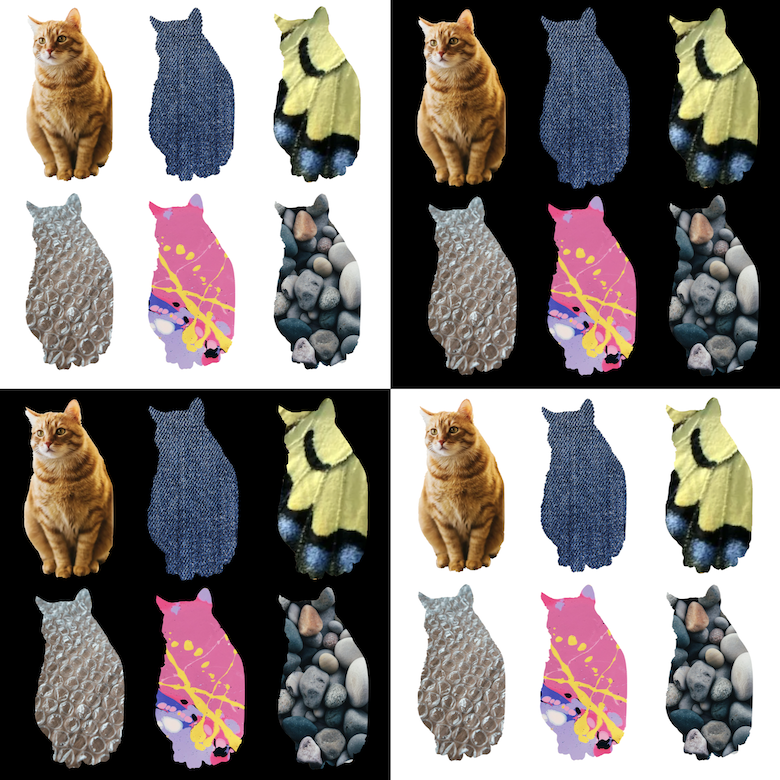
• Scrapbooking: Designers are using digital textures and elements, that appear similar to physical scrapbook aspects, to touch the heart of viewers and to cultivate client relationships. (11)

Emerging Technologies & Technological Influences
As engaging design technologies advance, graphic designers can create more deeply immersive experiences, further evolving the industry. Technological advancements allow web and graphic designers to integrate 3D graphics, increasing efficiency and accessibility.
Artificial Intelligence (AI), Augmented Reality (AR), and Virtual Reality (VR), in particular, are requiring designers to learn new tools and techniques. Designers are integrating these technologies, to create innovative experiences.
AI (including generative design and AI-enhanced design practices) is being used more frequently to create variations and concepts, as well as to streamline processes. (6)(11)(13) Augmented Reality is revolutionizing how we interact with graphic design and create interactive experiences. (11)
Due to the growing reliance on digital graphic design platforms and technologies, demand increases for interactive design, motion graphics, and UX/UI design skills. In 2024, the graphic design industry is constantly adapting to keep up with technological advancements, while keeping inclusivity and sustainability in mind.
• 35.5% of marketers use online tools and graphic makers to create visual content. (3)
Beyond Graphic Design Statistics
The statistics provided in this article may help graphic designers, creatives, pre-press professionals, and other document designers. We hope you enjoyed learning more about this industry.
Do you need to preflight graphic design documents for quality or to convert files to another file type? Read on, to learn more about design solutions that can help you with your workflow’s needs.

PDF & DTP Apps For Graphic Designers & Creative Content Producers
Markzware offers software for graphic designers, creatives, and other content producers to preview, preflight, export, and convert PDF and desktop publishing documents. Become a Markzware Reseller or a Markzware Affiliate.

To get the latest news about Markzware products and print industry-related news, join our mailing list. You can also follow Markzware on X, LinkedIn, YouTube, Facebook, and other social media websites.
Sources
(1) Graphic Designers, 27-1024.00, by O*NET Online, visited July 3, 2024, https://www.onetonline.org/link/summary/27-1024.00
(2) Graphic Designers, Occupational Outlook Handbook, by Bureau of Labor Statistics, U.S. Department of Labor, updated April 17, 2024, https://www.bls.gov/ooh/arts-and-design/graphic-designers.htm
(3) 15 Social Media Post Ideas for Graphic Designers, by Colleen Gratzer, Creative Boost, April 6, 2022, https://creative-boost.com/social-media-post-ideas-for-graphic-designers/
(4) Instagram Content Ideas for Graphic Designers, by Molly & Mark, Founders of Moyo Studio, January 14, 2021, https://www.moyo-studio.com/instagram-content-ideas-for-graphic-designers/
(5) Engaging content ideas for graphic designers, by PUSH.FM Staff, PUSH, April 22, 2024, https://blog.push.fm/14591/engaging-content-ideas-graphic-designers/
(6) Graphic Design Statistics You Need To Know in 2024, by David Mercado, Writer, skillademia, March 8, 2024, https://www.skillademia.com/statistics/graphic-design-statistics/
(7) What are some interesting graphic design topics to discuss?, by Quora members, Quora, May 2, 2024, https://www.quora.com/What-are-some-interesting-graphic-design-topics-to-discuss
(8) 77 Graphic Design Statistics, Trends, and Insights [2024 Edition], by Claire Fountain, June 26, 2024 view, https://ddiy.co/graphic-design-statistics/
(9) Graphic Design, Employment by detailed occupation, Employment Projections, Bureau of Labor Statistics, U.S. Department of Labor, updated September 6, 2023, https://www.bls.gov/emp/tables/emp-by-detailed-occupation.htm
(10) Top 10 Web & Graphic Design Trends for 2024 (And Beyond), by Rocco Bombardieri, The Influence Agency, November 22, 2023, https://theinfluenceagency.com/blog/web-graphic-design-trends/
(11) 10 Graphic Design Trends of 2024, by Shubham Baranwal, GeeksforGeeks, updated June 24, 2024, https://www.geeksforgeeks.org/graphic-design-trends-2024/
(12) The Future of Graphic Design: 2024 Trends and Predictions, by Simplilearn Staff, Simplilearn, April 29, 2024, https://www.simplilearn.com/graphic-design-trends-article
(13) 10 Graphic Design Trends That Will Dominate 2024, by Krystle Wong, Venngage, December 20, 2023, https://venngage.com/blog/graphic-design-trends/
(14) Top U.S. Graphic Design Trends May 2023 to May 2024: AI & Google Trends Study, by Patty Talley, Markzware, Inc., May 20, 2024, https://markzware.com/company/top-us-graphic-design-trends-may-2023-may-2024-ai-google-trends-study/
(15) 10 inspiring graphic design trends for 2024, by VistaPrint Staff, VistaPrint, November 15, 2023, https://www.vistaprint.com/hub/graphic-design-trends
(16) Top 52 Graphic Design Websites Leading the Industry in 2024: Markzware Report, by Patty Talley, Markzware, Inc., June 28, 2024, https://markzware.com/company/top-52-graphic-design-websites-leading-industry-2024/
50+ Eye-Opening Graphic Design Statistics for 2024: Jobs, Salaries, Impact, Industry Growth, Trends & Technologies